
SaySo for Museums
Visitor Feedback for Museums & Galleries
Replace comment cards with voice feedback. Visitors speak their thoughts as they leave — SaySo transcribes, translates, and analyses in real time. Richer data, higher completion rates, instant insight.
HoxtonAi is trusted by thousands of users:



Comment Cards Don't Capture What Visitors Really Think
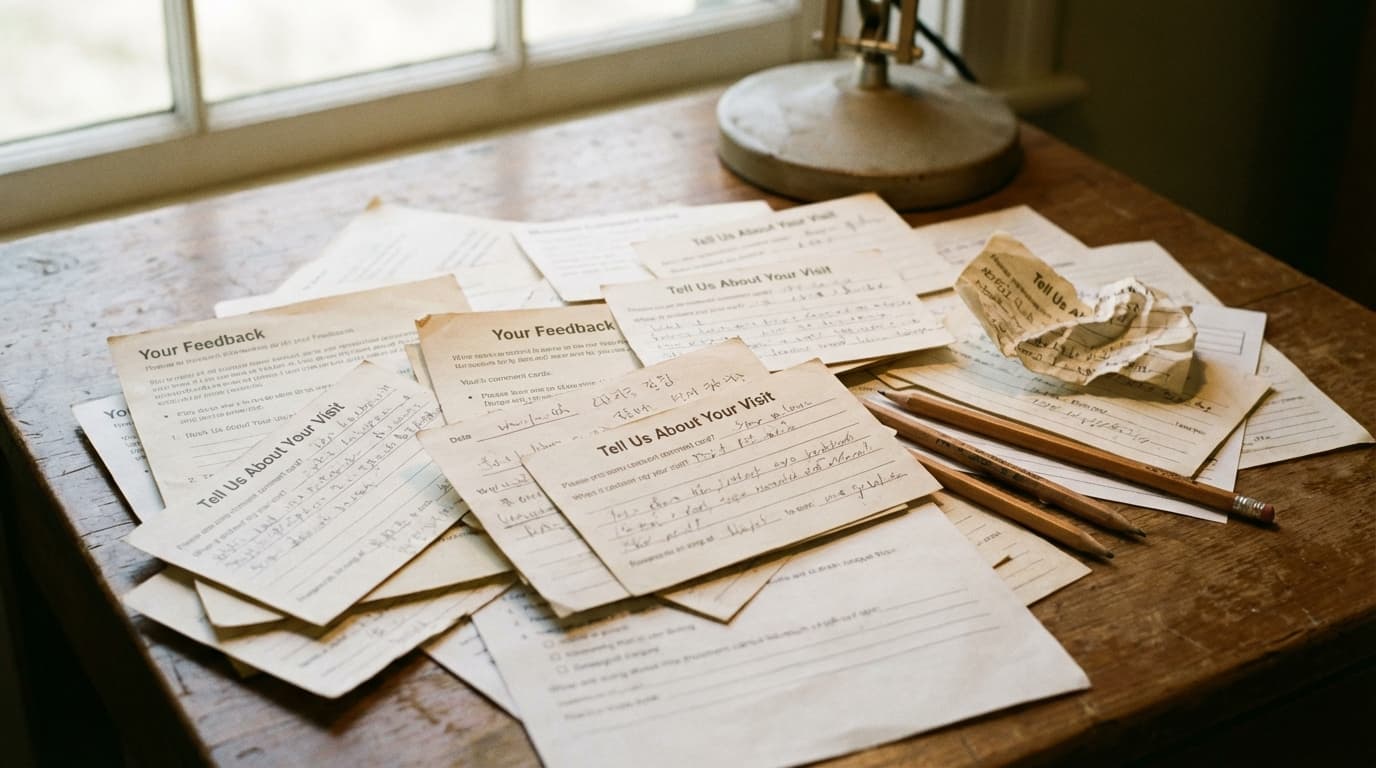
Museums collect feedback the same way they did 30 years ago: comment cards and feedback forms. Visitors drop them in boxes. Staff manually transcribe them weeks later. The data is sparse, often illegible, and nearly impossible to analyse at scale.
International visitors present another challenge. Comments in various languages require translation. Handwritten text in non-Latin scripts may be illegible. Feedback from international visitors — often the most valuable — gets lost or discarded.
The visitors who stay silent — the majority — go unheard. You don't know if they were moved by an exhibition, confused by wayfinding, or left frustrated by queues. Without their voice, you're making curatorial and operational decisions blind.
~0.05%
Comment card completion rate
5–10%
Voice feedback completion rate
Voice Feedback Captures the Full Spectrum of Visitor Experience
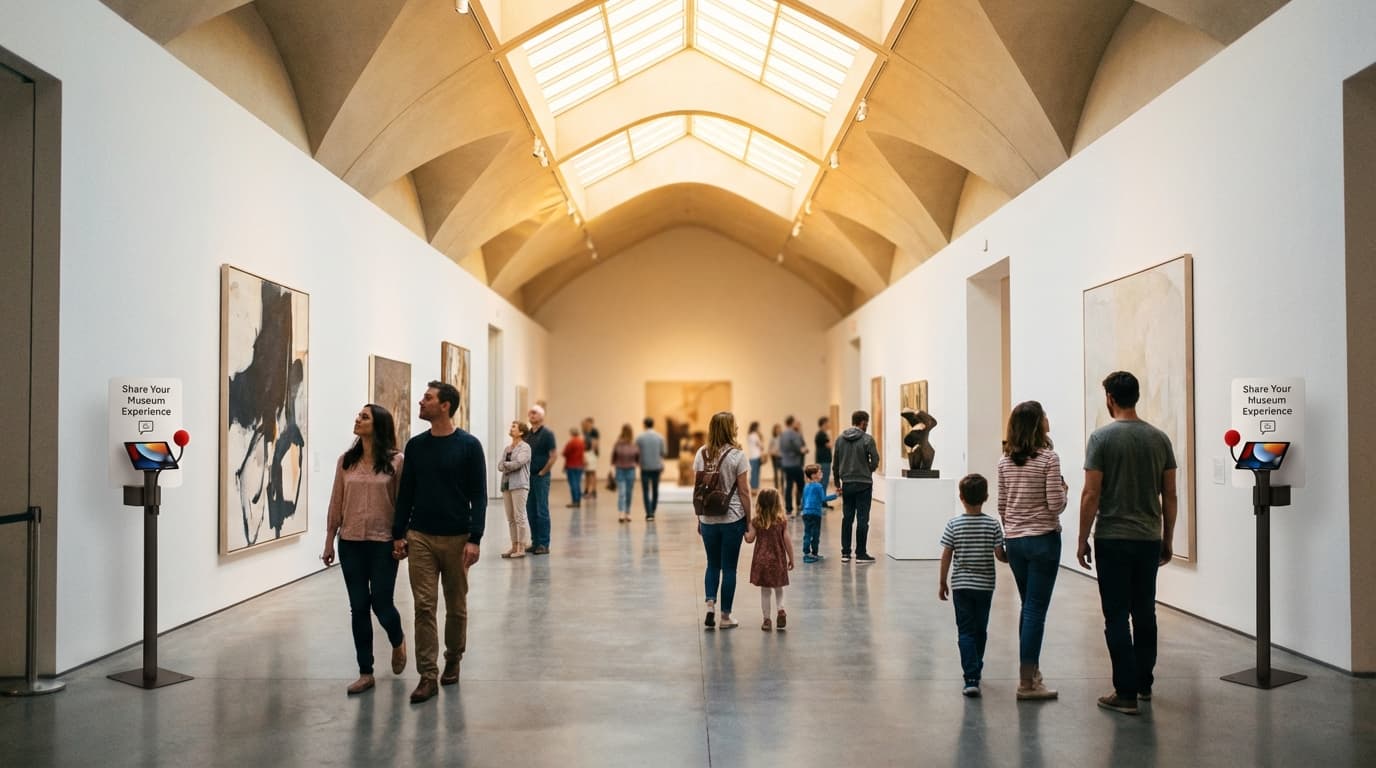
SaySo replaces comment cards with voice collection. As visitors leave a gallery, they encounter a kiosk or tablet. They speak their feedback. The AI transcribes, translates, and analyses it instantly.
Voice is how people naturally express nuance. When you ask a visitor to speak about their experience, they tell you things they'd never write down. The emotional texture of their visit emerges in conversation, not in a check-box survey.
Multilingual support means every visitor contributes, regardless of language. Japanese tourists, French school groups, Brazilian art students — they all speak in their language. SaySo transcribes and translates automatically.
Setup takes minutes. Place a tablet in the gallery exit, launch the app, and you're collecting insights. Your team sees real-time themes emerging — you don't wait for a report. You respond while exhibitions are still live.
Why Museums & Galleries Choose SaySo
Comment cards capture ~0.05% of visitors. Voice feedback captures 5–10%. A representative sample means your curatorial decisions are based on what your actual visitors experience.

Voice captures emotional tone, hesitation, and enthusiasm. Visitors express nuance they’d never write on a card. That richness matters for cultural institutions.

Every visitor contributes regardless of language. Real-time translation means your curatorial team can extract insight from every audience segment and see how different cultures engage.

Manual transcription is gone. Themes emerge automatically. See which artworks generated the most comment, what surprised visitors, and use that insight for future exhibitions and funding.

Used by Leading Cultural Institutions
“Once we saw the graph, we realised we could admit 50% more visitors in the first time slot.”
— Venue Manager
Ready to Hear Your Visitors' Authentic Voices?
Your visitors have feedback. SaySo makes sure you actually capture and understand it. See how museums are replacing comment cards with AI-powered voice feedback.